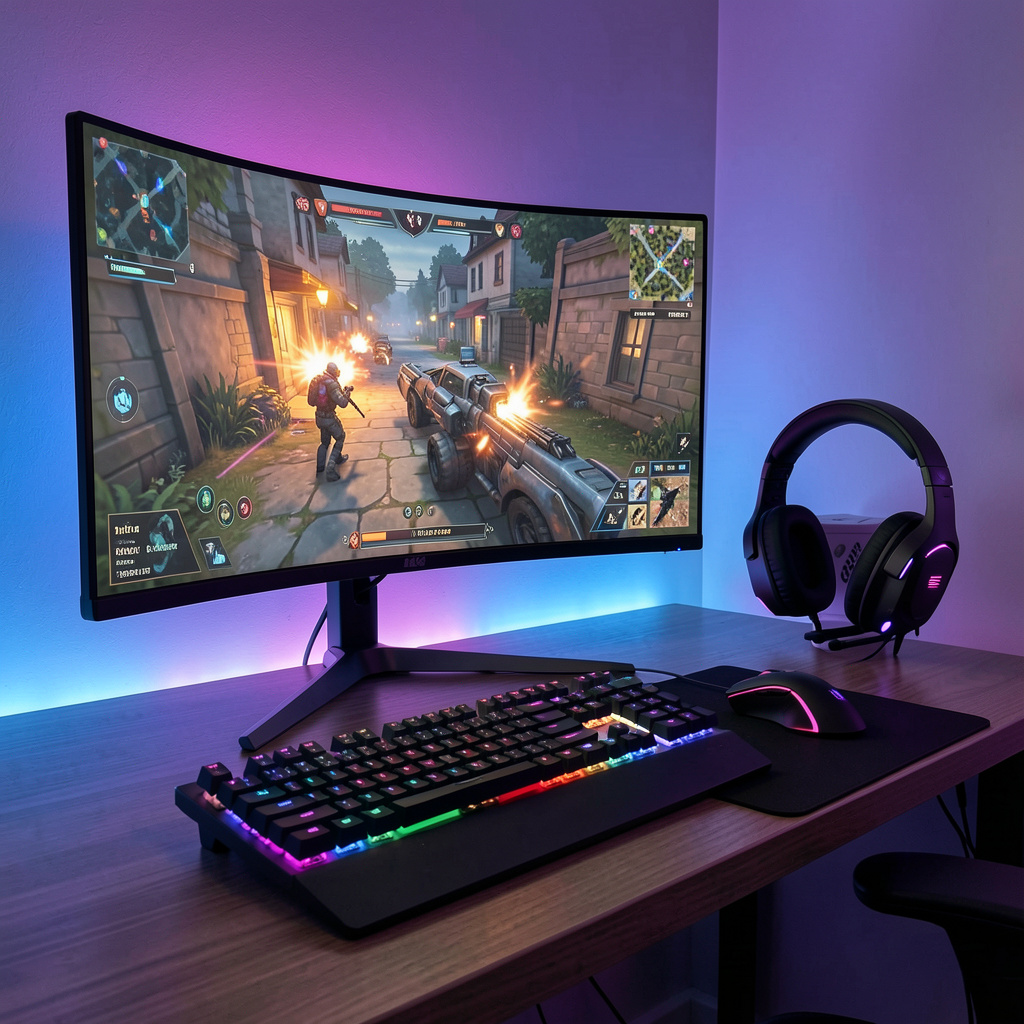
Online gaming has grown far beyond simple entertainment. Today, it has become a social activity that connects millions of players from different parts of the world. Through multiplayer games, people not only compete and complete missions but also communicate, cooperate, and build meaningful relationships. Online gaming communities have created spaces where friendships can grow naturally. For many players, these virtual connections are just as real and important as friendships formed in everyday life.
The Rise of Gaming Communities
With the development of the internet and multiplayer technology, gaming has shifted from a solo experience to a shared one. Players can now join teams, guilds, or clans where they regularly interact with others who share similar interests.
These groups form online gaming communities. Members often play together daily, share strategies, and support one another. Some communities even have forums, social media groups, and chat platforms where players stay connected outside the game. This sense of belonging makes gaming more enjoyable and meaningful.
Meeting People from Around the World
One of the most exciting aspects of online gaming communities is the chance to meet people from different countries and cultures. Players who might never meet in real life can interact easily through games.
These global connections allow players to learn about different languages, traditions, and lifestyles. Sharing experiences with people from diverse backgrounds helps develop understanding and respect. Online games create a virtual space where distance no longer matters, bringing people closer together.
Building Strong Friendships
Friendships in online gaming often develop naturally through shared experiences. Players work together to complete missions, win matches, or overcome challenges. These moments create strong emotional bonds.
Spending hours cooperating and communicating helps players get to know each other better. Over time, trust and friendship grow. Many gamers talk about their daily lives, share personal stories, and support one another during tough times. Some even meet their online friends in person, turning virtual friendships into real-life relationships.
Teamwork and Cooperation
Multiplayer games encourage teamwork. Success often depends on how well players cooperate and communicate with each other. Each player may have a specific role, and everyone must contribute to achieve the team’s goal.
This cooperation builds a strong sense of unity. Working together to solve problems strengthens relationships and creates mutual respect. The teamwork learned in gaming communities also helps players develop important social skills that can be used in school, work, and other areas of life.
Emotional Support and Belonging
Online gaming communities can also provide emotional support. For many people, these communities become safe spaces where they feel accepted and understood. Players often encourage each other, celebrate achievements, and offer comfort during difficult times.
For those who feel lonely or shy in real life, online gaming can be a way to connect without fear. Talking to friends while playing games can reduce stress and improve mood. This emotional connection shows that virtual friendships can have real and positive effects on mental well-being.
Communication Skills and Interaction
Regular interaction in gaming communities helps improve communication skills. Players use voice chat, text messages, and online discussions to share ideas and make plans. This constant communication builds confidence and clarity in expressing thoughts.Visit situs toto online for more details.
Learning how to listen, cooperate, and respond politely also helps develop good social behavior. These skills are useful not only in gaming but also in everyday life and professional settings.
Challenges in Online Communities
Although online gaming communities have many benefits, they also face challenges. Problems such as cyberbullying, toxic behavior, or misunderstandings can sometimes occur. Not all interactions are positive.
It is important for players to practice respect and follow community guidelines. Reporting harmful behavior and promoting kindness can help create a safer and more welcoming environment. Responsible behavior ensures that gaming communities remain friendly spaces for everyone.
Balancing Online and Offline Life
While online friendships are valuable, it is important to maintain balance. Spending too much time gaming may reduce time for family, studies, or face-to-face relationships. Healthy gaming habits allow players to enjoy both online and offline connections.
By managing time wisely, players can benefit from gaming communities without neglecting other important aspects of life.
Conclusion
In conclusion, online gaming communities have transformed gaming into a social experience that builds real friendships. They connect people across distances, encourage teamwork, and provide emotional support. Through shared adventures and communication, players form bonds that often last beyond the game itself. Although challenges exist, responsible and respectful behavior can make these communities positive and welcoming. Online gaming is not just about playing—it is also about connecting, sharing, and building friendships that truly matter.

Related Posts